

Letter No.03 - I Looked Into The Pot

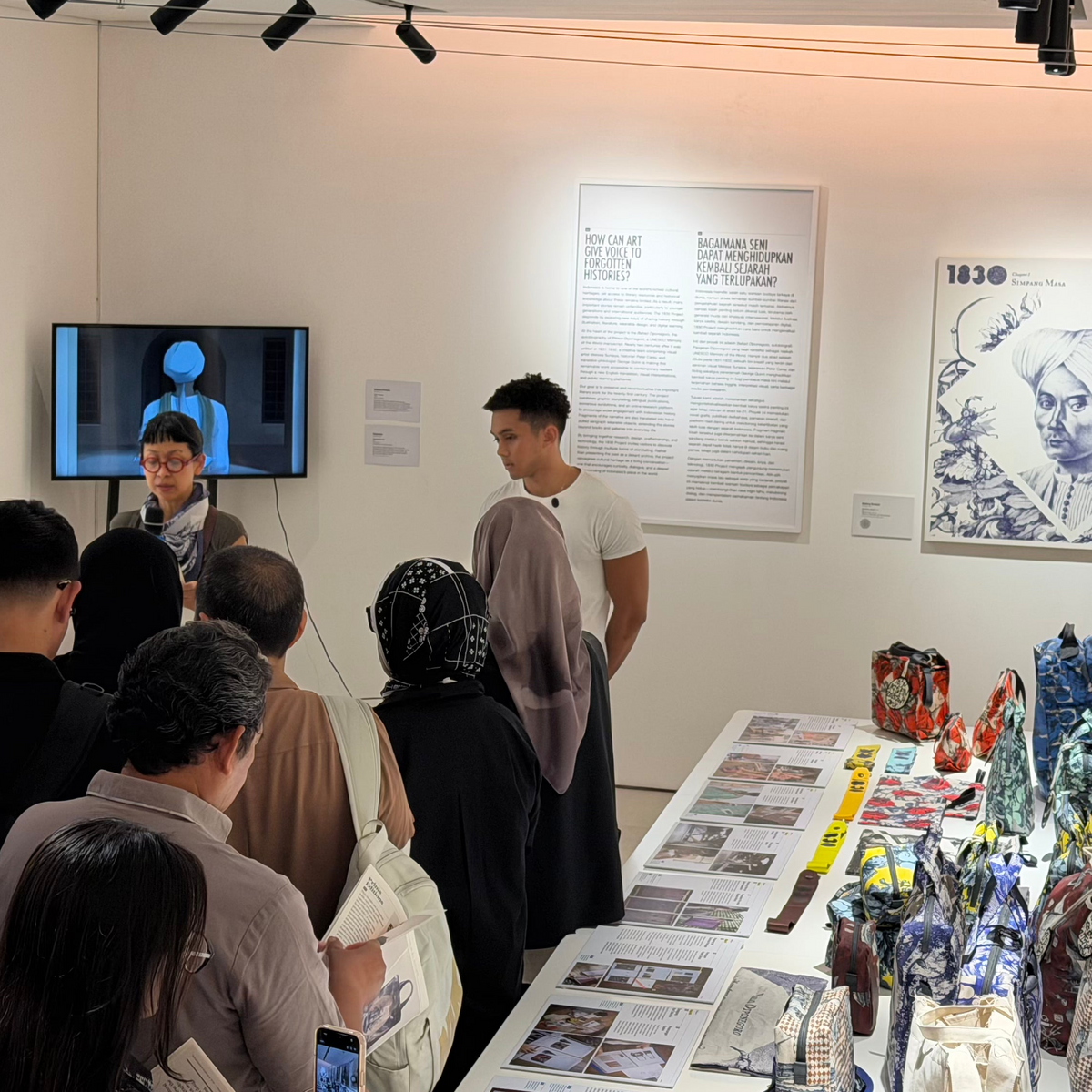
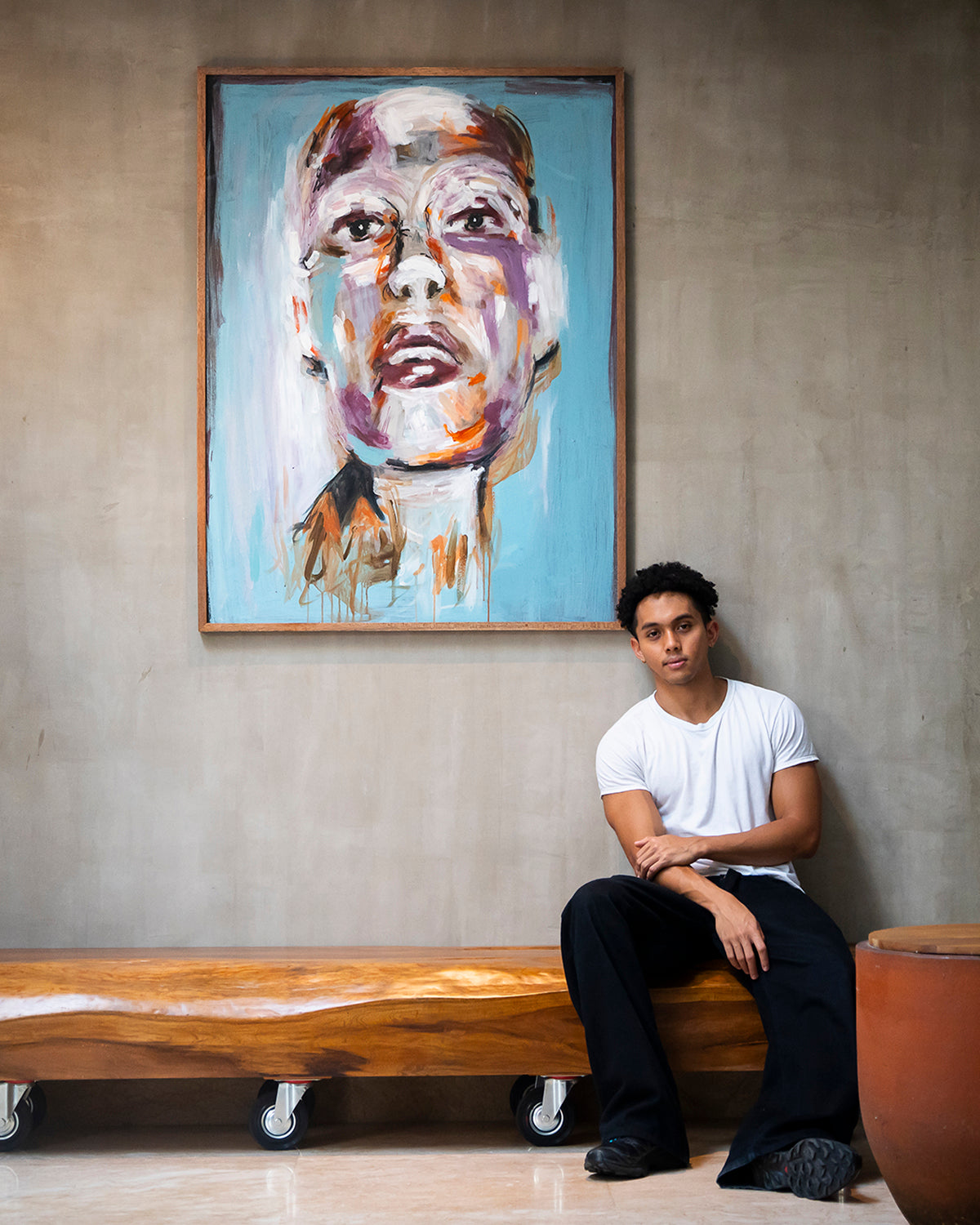
There is an illustration hanging in the middle of our exhibition at TIM that stopped me mid-conversation.
Not because it's complicated, but because it isn't. It's a pot. Just a pot. Unusual looking, sure. But not threatening. Melissa made it about two meters long and hung it right in the central hallway we built ourselves, which is a very fancy way of saying we moved some things around until it felt like a hallway. It works though. Trust me.
So I'm standing in front of this cloth with Melissa and she starts telling me the story behind it.

Ki Ageng Tarub had a wife. And this wife had a gift. She could feed the entire family, every single day, without ever seeming to run out of food. Ki Ageng, being a man, could not leave this alone. She told him very clearly. Don't look into the pot. Simple instruction. One rule.
He looked into the pot.
Inside was a single grain of rice. She had been cooking it one grain at a time, and somehow it never ran out, because Nawangwulan was not entirely of this world. The moment he looked, the magic was gone.
My first reaction, if I'm being honest, was logistical. One grain of rice. What a nightmare to cook. I told Melissa I would never have looked in that pot in my entire life, purely out of respect for not having to cook myself. She laughed. I meant it.
But then she explained what it actually means to her.

For Melissa it's about privacy inside a marriage. About the jardin secret, as we say in French. The small garden inside yourself that belongs only to you. The thing your partner doesn't need to see to trust you. She said she thinks about it as a reminder. Don't look at each other's phones. Keep something sacred between you.
But here's where it gets good. Nawangwulan comes from somewhere else entirely. Not from here. And I'm standing there thinking about a French kid raised in Jakarta trying to explain Indonesian history to people, and something about that lands differently than I expected.

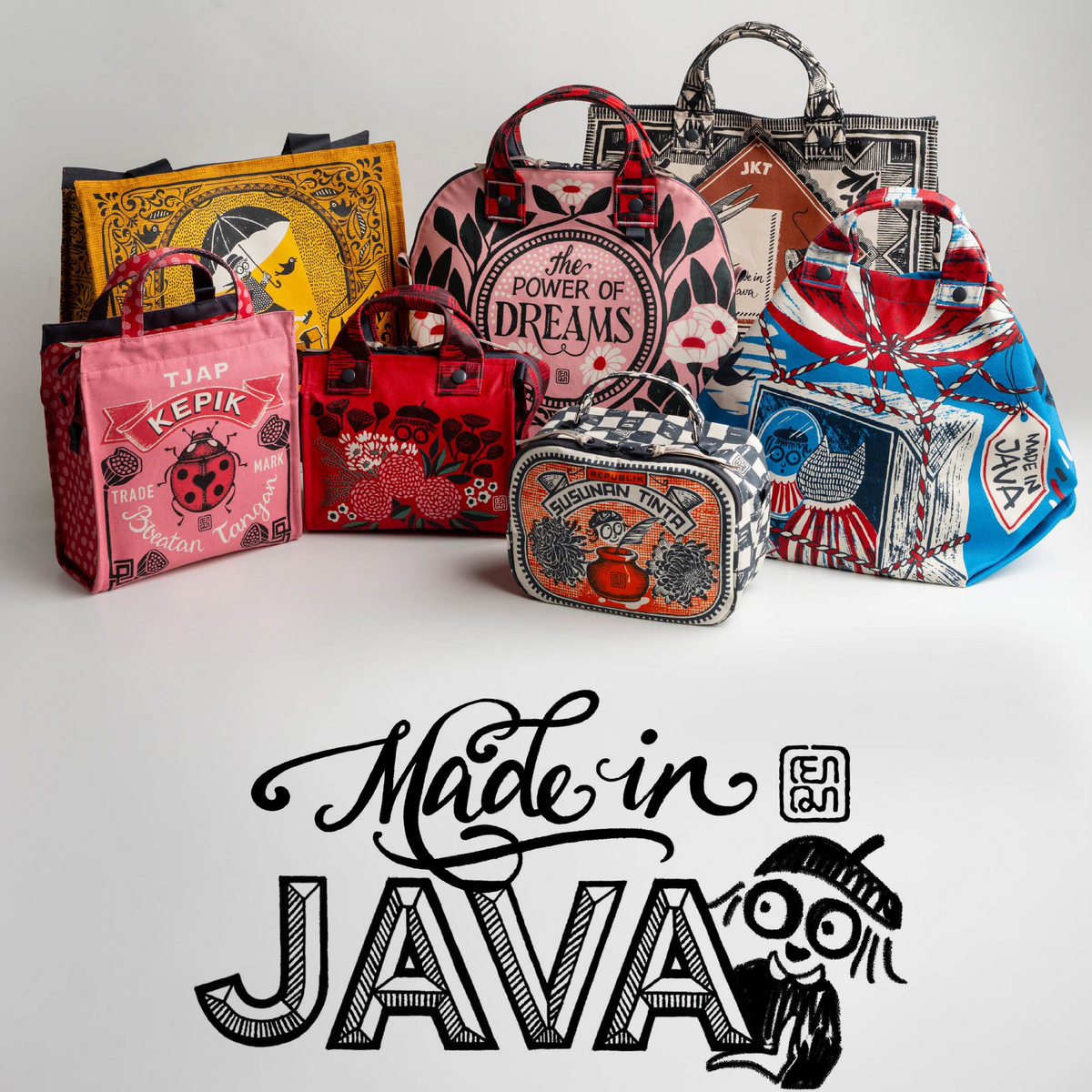
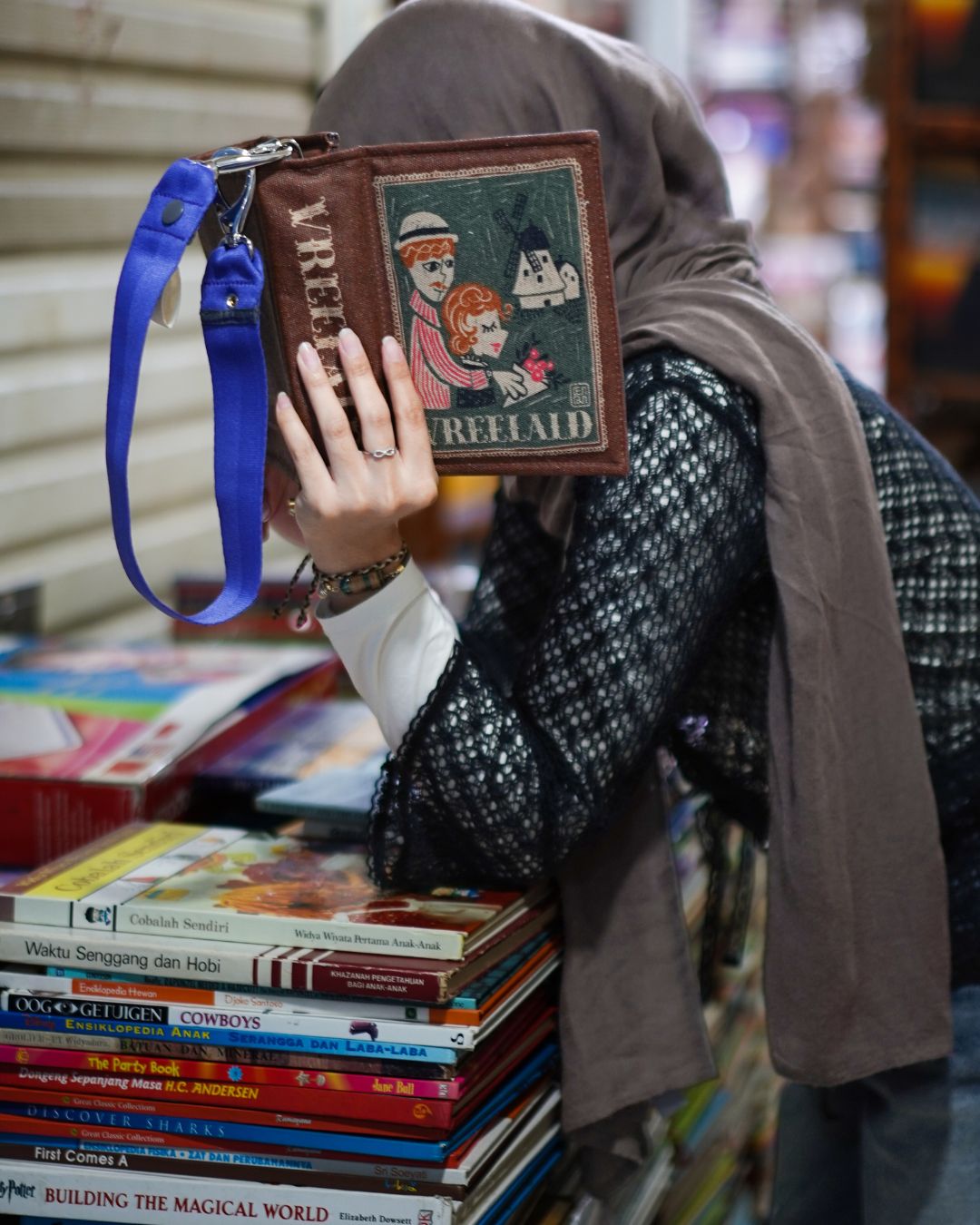
Because that's also what Tulisan is doing with the 1830 collection. Taking something that feels foreign, distant, locked away in a language most people can't read, and making it something you can hold. Something you can wear. A story you can carry out the door with you.
Walter and Alex came to the exhibition. Walter is one of my oldest friends, a total goofball, and his mother Ibu Rita was one of the very first people to buy Tulisan back when it was sold at the French bazaar. Before I worked here. Before I knew what any of this meant. They came because they were curious about what I'd been up to, and I think part of me really wanted them to see that it was something real.
They got it. That meant more than I expected.

Ibu Rita walked through the room slowly. Walter was asking questions about the indigo blue, why that colour specifically, and I told him what I tell everyone. That colour is not decoration. Indigo was one of the most valuable commodities taken out of Indonesia in the 19th century. Javanese farmers were forced to grow it under conditions that destroyed their land and their lives. We put it on the bags on purpose. Everything here has a reason. Even the colour.
He nodded like he was actually hearing it for the first time. Which he was.
That's the thing about a pot with one grain of rice. The magic isn't in the explanation. It's in the moment when you stop needing to look.
So, come see us at our store in Dharmawangsa Square to learn more.
Don't worry. I won't make you cook anything.
The game continues,
Oki - Tulisan


Leave a comment
This site is protected by hCaptcha and the hCaptcha Privacy Policy and Terms of Service apply.